Applications for the Summer 2027 cohort open this fall. Get notified →
For students

The best AI experience on this campus.

A paid, full-time summer fellowship open to any major. You work on a live problem inside a real company from May through August, with a president or VP as your client, and you can carry the project into the academic year.

Notify me when applications open Meet current fellows

What the fellowship involves

Not technical? Read this first.

You do not need to know how to do this yet.

Nobody touches a project until training is finished. In 2026 that meant roughly two weeks of full days together before the first kickoff, starting with setting up a development environment. In other words, from zero.

Fellows arrive with very different technical backgrounds, and some have never written a line of code. Training exists to close that gap, and projects are assigned afterwards.

What you will actually do

Ship something a company depends on.

You will be on a team of two or three, working a scoped problem for a named champion. A project coach runs weekly check-ins; CRC advisors step in when a build gets heavy.

At the end you present to the company and hand off documentation. Several fellows have had their work continue running after the summer ended.

Want to hear it from fellows rather than from us? Read their stories ›

The year

How the timeline runs.

From application to a working system, with training built in before anyone touches a project.

01
Fall

Applications open

The application opens online in the fall. PLACEHOLDER: exact dates, prompts and eligibility to confirm.

02
Spring

Selection

PLACEHOLDER: selection process and notification timeline.

03
May to August

Training, then build

About two weeks of technical training and partner plant tours, then a full-time paid project with a regional company through the summer.

04
Academic year

Continue

Fellows can carry projects into the school year, continuing the same engagement or joining a new one.

The cohort

Every corner of campus, building with AI.

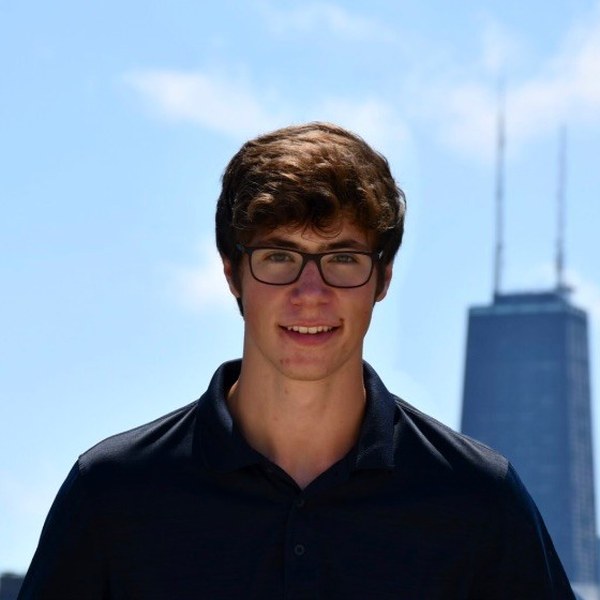
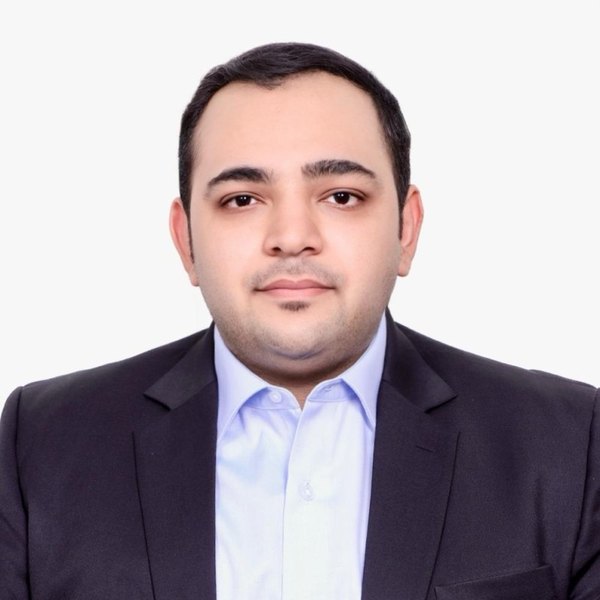
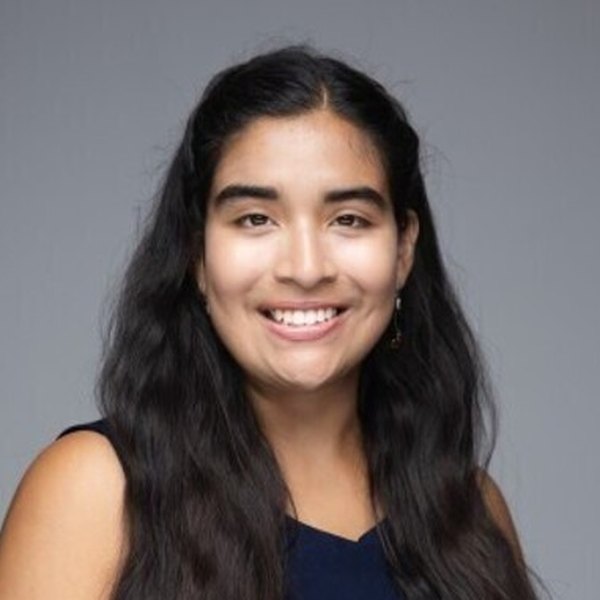
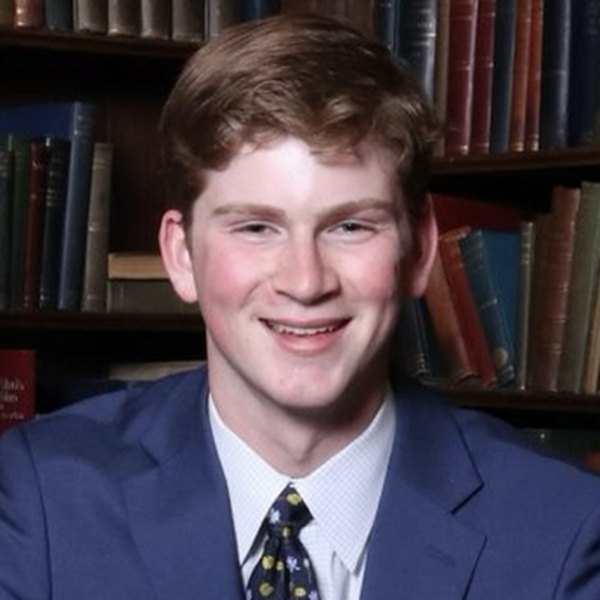
Psychologists and aerospace engineers, sophomores and PhD candidates. The range is the point.

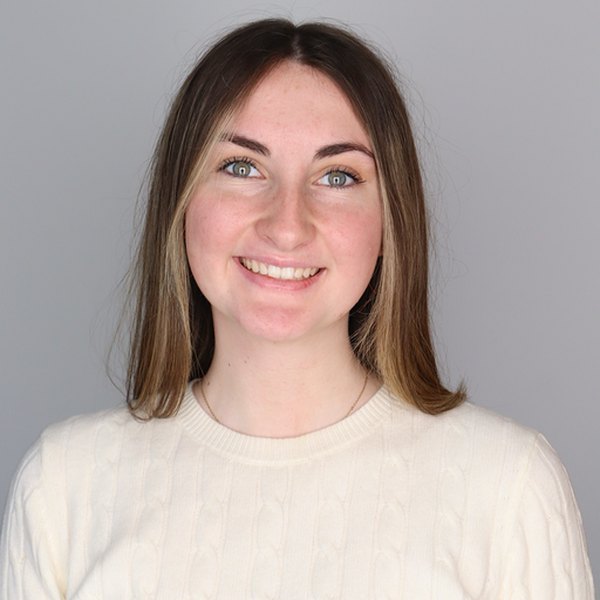
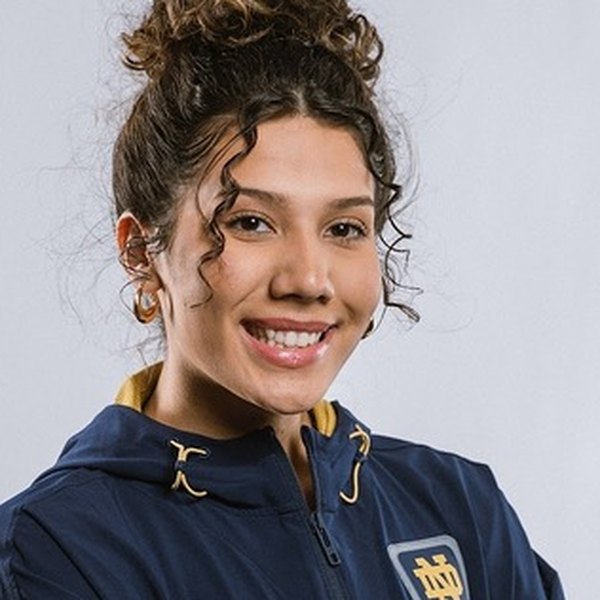
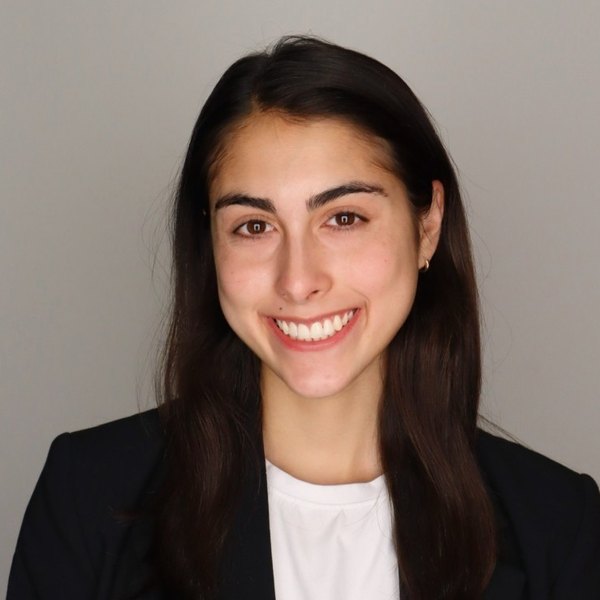
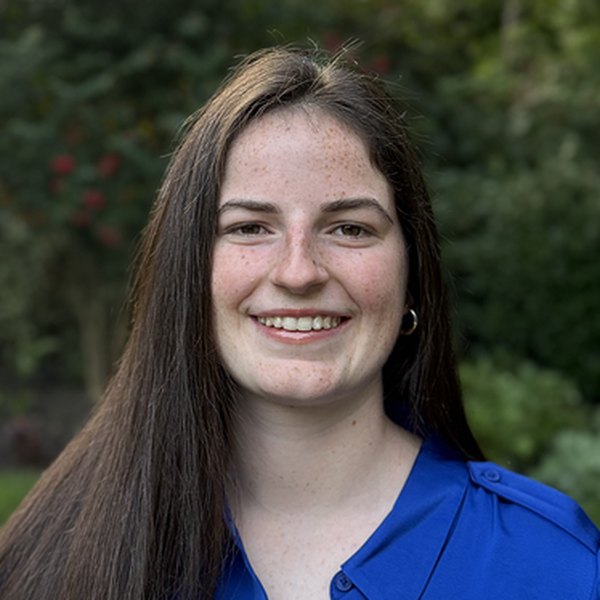
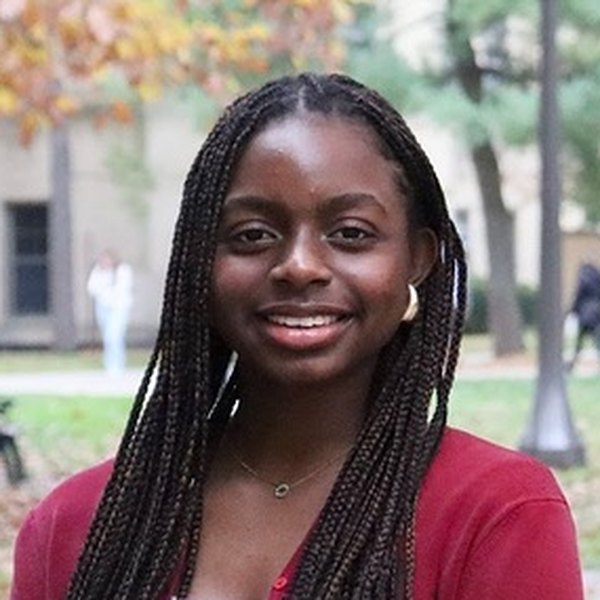
Gabriella Zeller

Psychology and Spanish, Arts and Letters

Hover for a quote

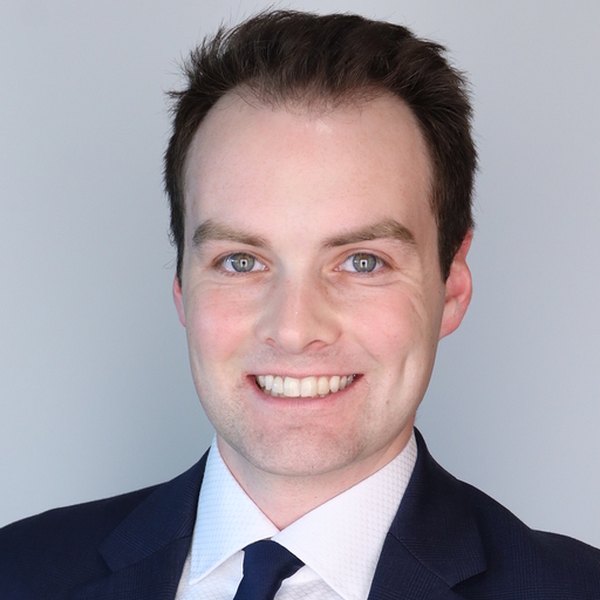
I spent the first two weeks certain they had put me on the wrong project. Then our partner ran the tool past twenty employees and it failed, not on accuracy but on trust. That is when my major stopped feeling like a stretch.

Gabriella, Psychology and Spanish

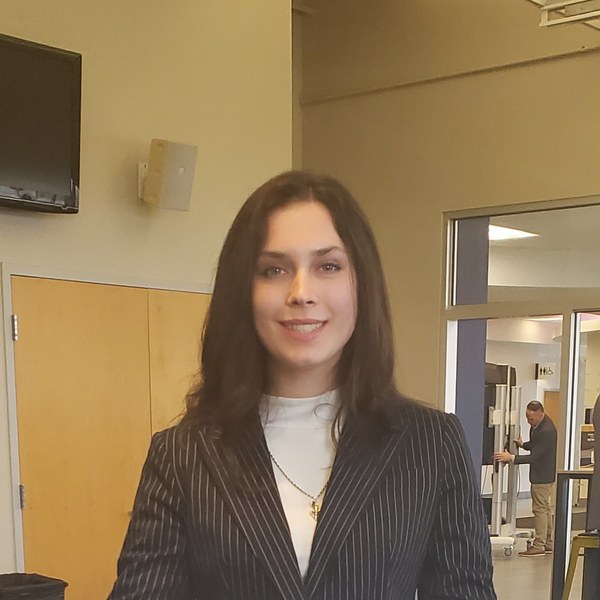
Maureen Tremblay

Computer Science, Engineering

Hover for a quote

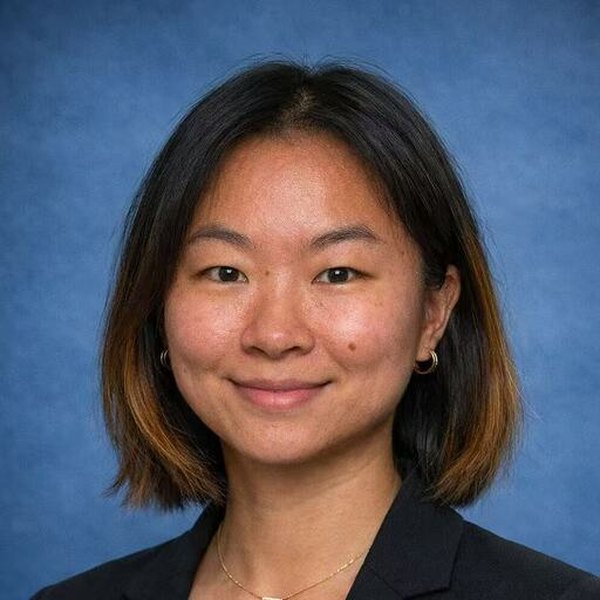
I had written plenty of software before this. I had never had to defend a design decision to the person paying for it.

Maureen, Computer Science

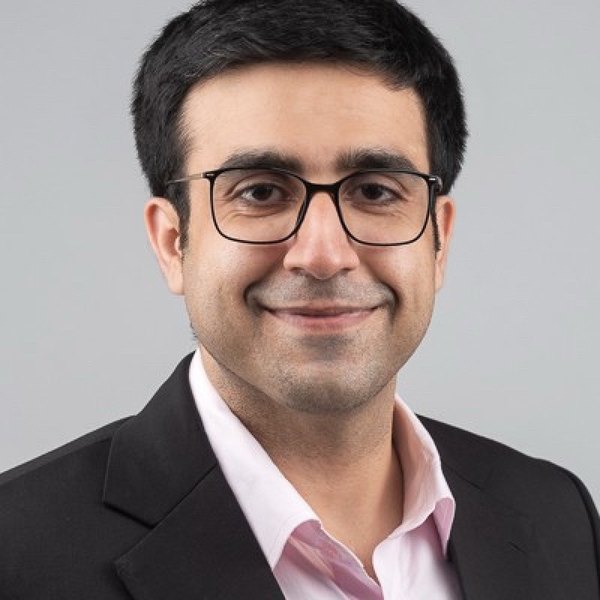
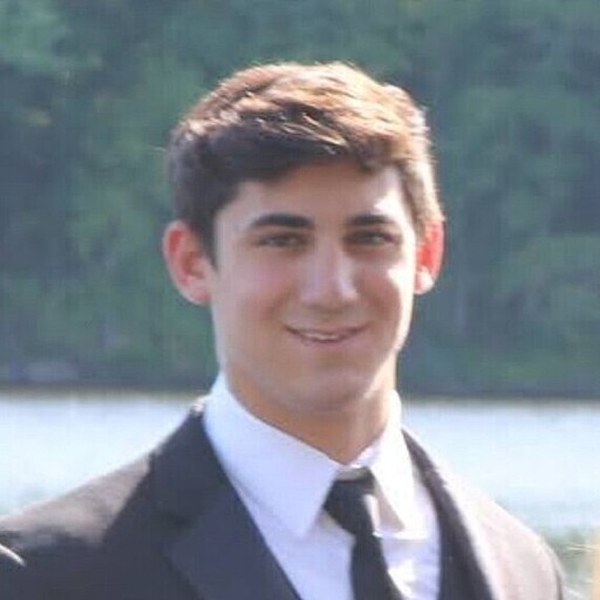
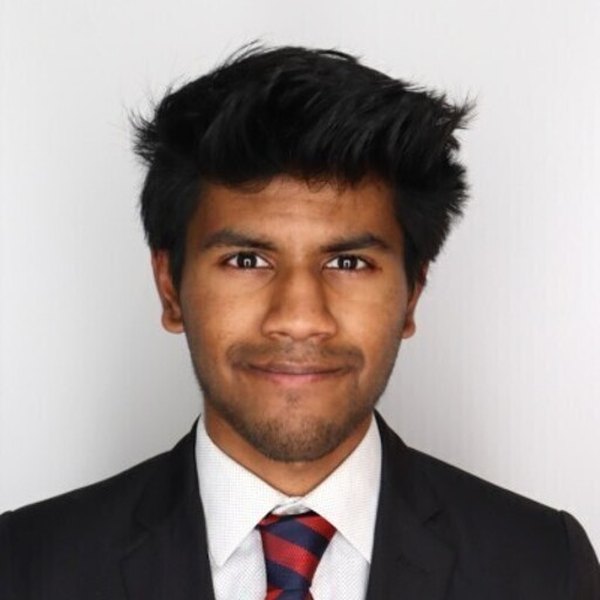
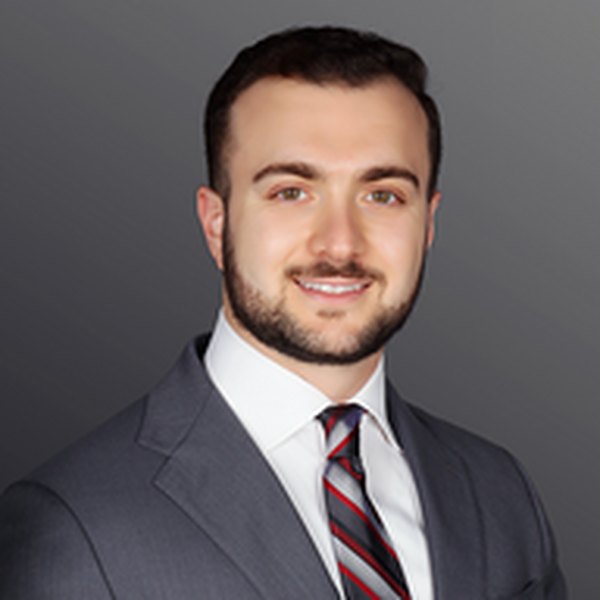
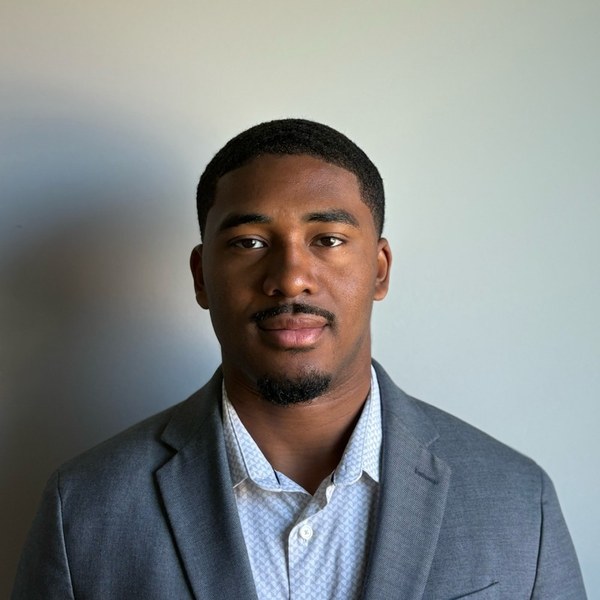
Akshat Mathur

Finance MBA, Mendoza

Hover for a quote

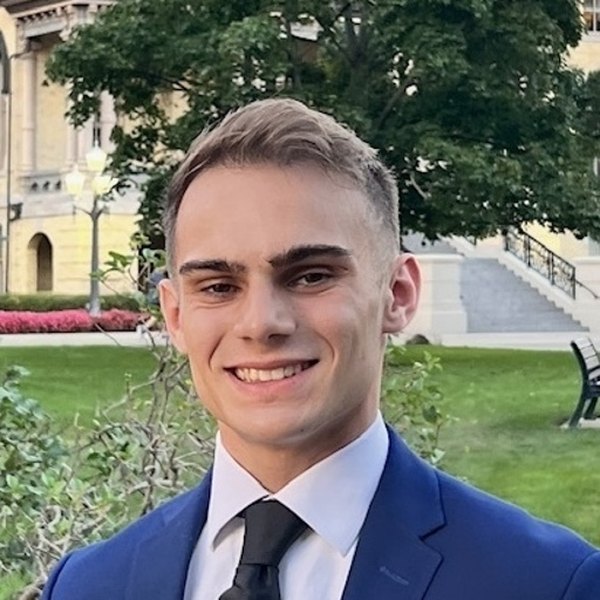
I came in thinking the challenge would be the model. It was the data, and it was always the data.

Akshat, Finance MBA

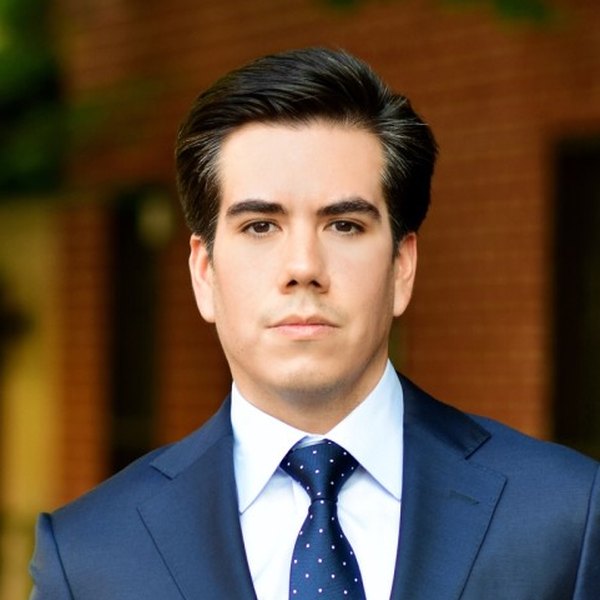
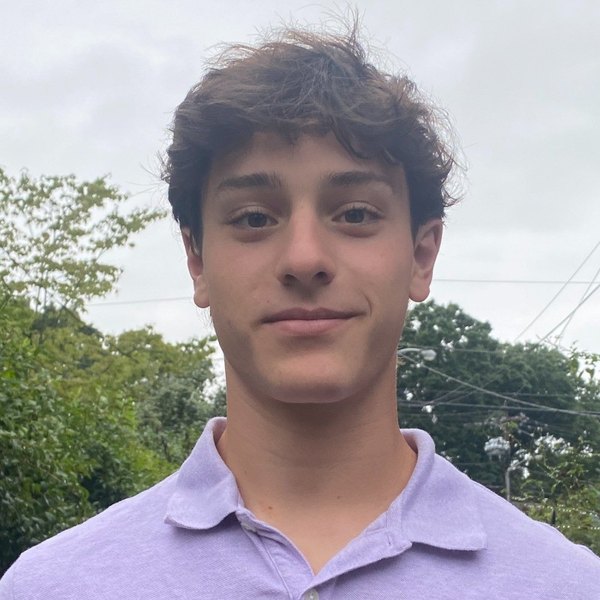
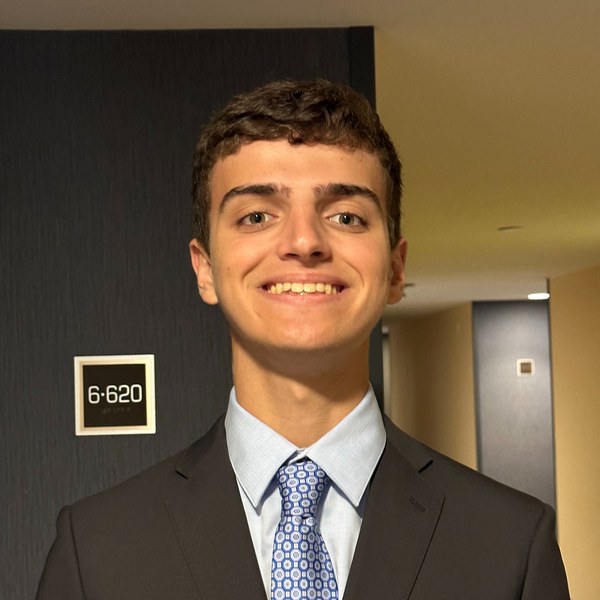
Liam Bas

Neuroscience and Behavior, Science

Hover for a quote

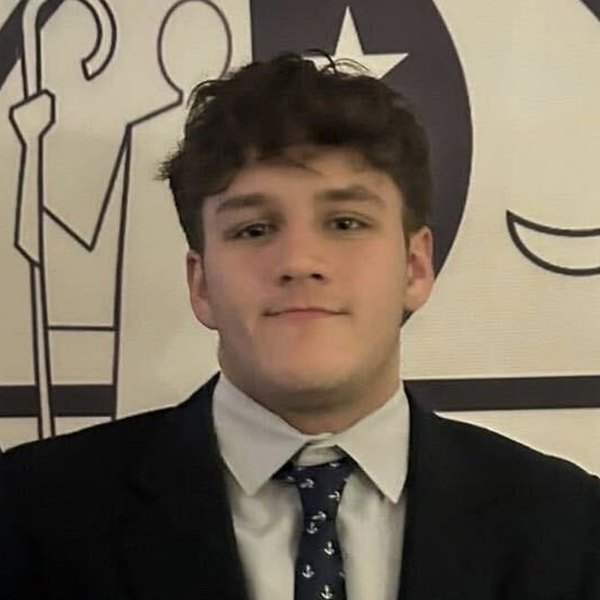
The hardest part was never the code. It was learning to ask a VP the right question in the ten minutes he actually had.

Liam, Neuroscience and Behavior

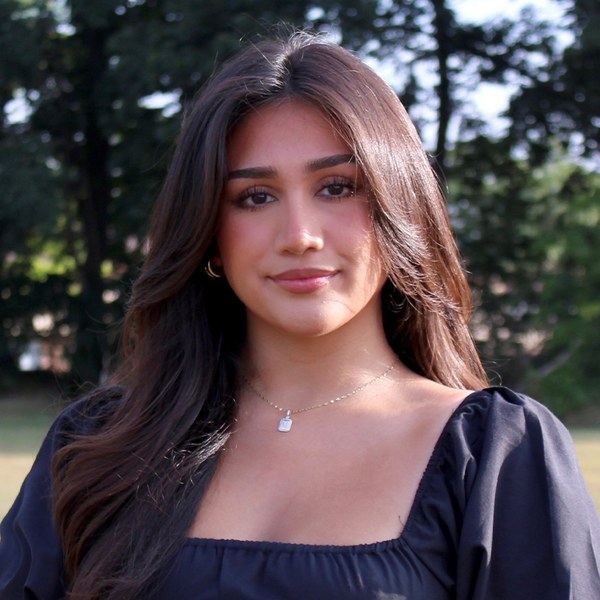
Sarah Sargent

Mechanical Engineering and Spanish, Engineering

Hover for a quote

I switched between the technical work and the client conversations all summer. Both got easier. Neither got easy.

Sarah, Mechanical Engineering

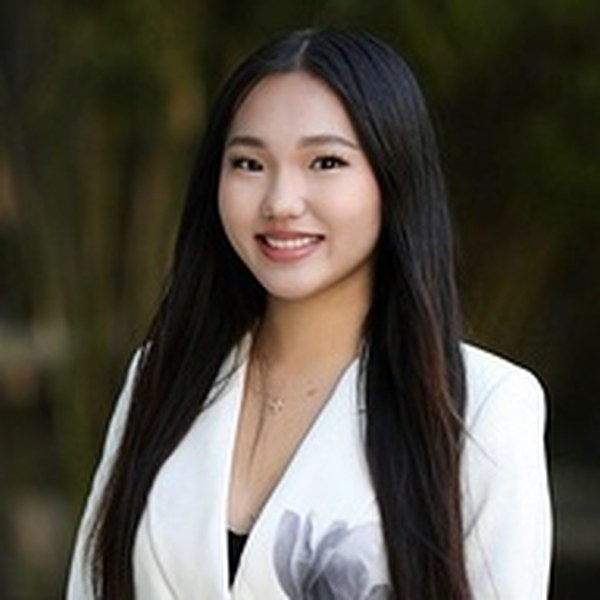
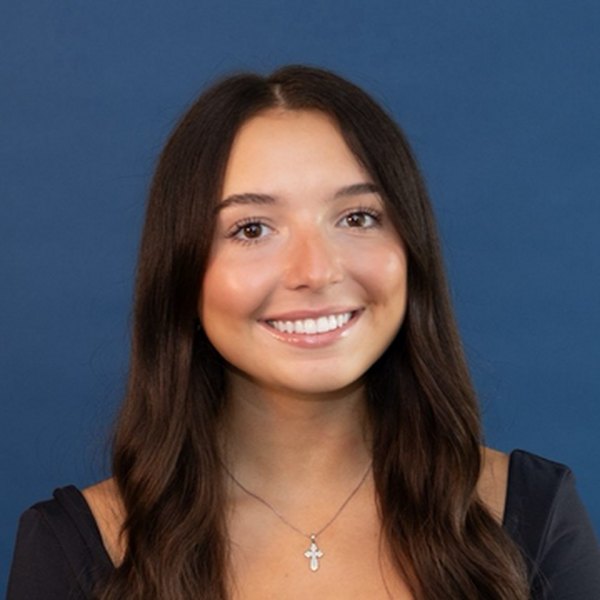
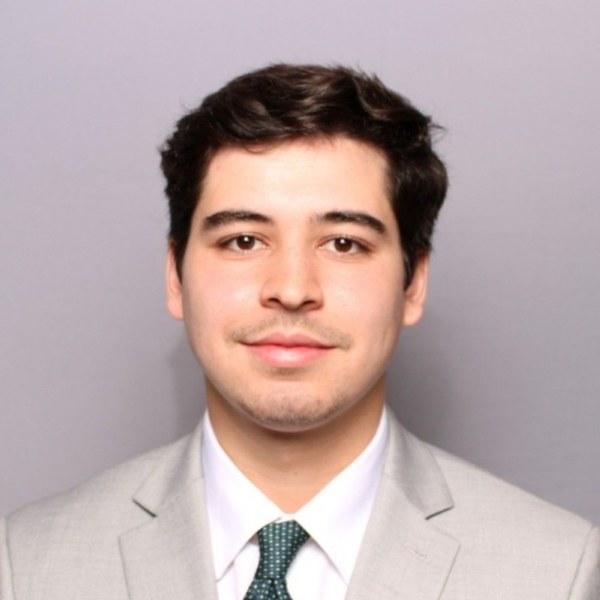
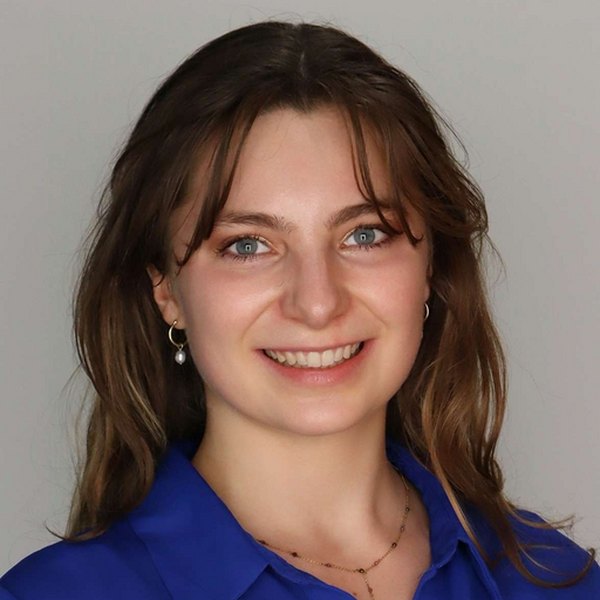
Kristiana (Kiki) Petrovic

Finance and Economics, Mendoza

Hover for a quote

I am a finance major. I did not expect to spend my summer talking to engineers about how their work actually gets done.

Kiki, Finance and Economics

Quotes shown are illustrative drafts. Real quotes to be collected from each fellow.

Meet the full cohort

The full cohort

Everyone who built this summer.

Photographs still to be collected from the rest of the cohort.

PLACEHOLDER: future cohorts appear here as they are selected.

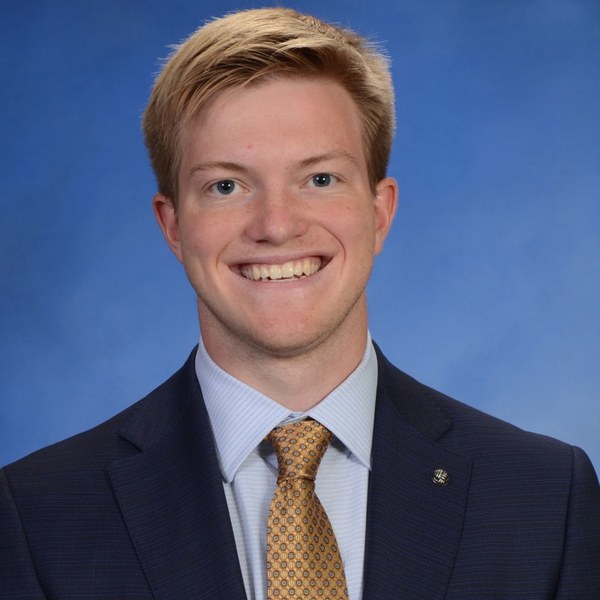
Akshat Mathur

Akshat Mathur

Finance, Business Analytics minor

Allison Ore

Allison Ore

Finance / AI Analytics in Business & Theology

Andrew Severino

Andrew Severino

Mechanical Eng. / Engineering Corporate Practice

Annie Rogers

Annie Rogers

Finance & Business Analytics, French minor

Anuj Chopra

Anuj Chopra

Finance

Batyrkhan Alimzhanov

Aerospace Engineering, ACMS

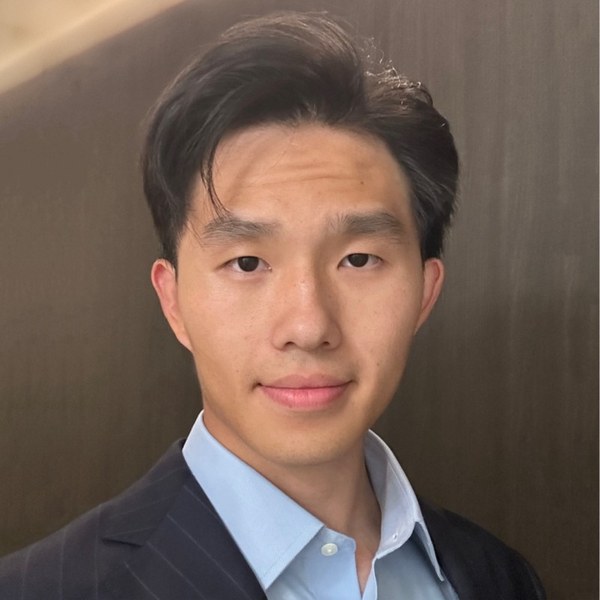
Christopher Qian

Aerospace Eng. / International Security Studies

Gabriella Zeller

Gabriella Zeller

Psychology & Spanish, Business Economics minor

Ginger Gould

Aerospace Eng. / Computational Digital Technologies

Holden Pecoraro

ACMS & Economics, Real Estate minor

Joseph Mathew

Joseph Mathew

Aerospace Engineering

Juan Arcos Silva

Juan Arcos Silva

Finance

Karina McMahon

Karina McMahon

Business Analytics & Accounting
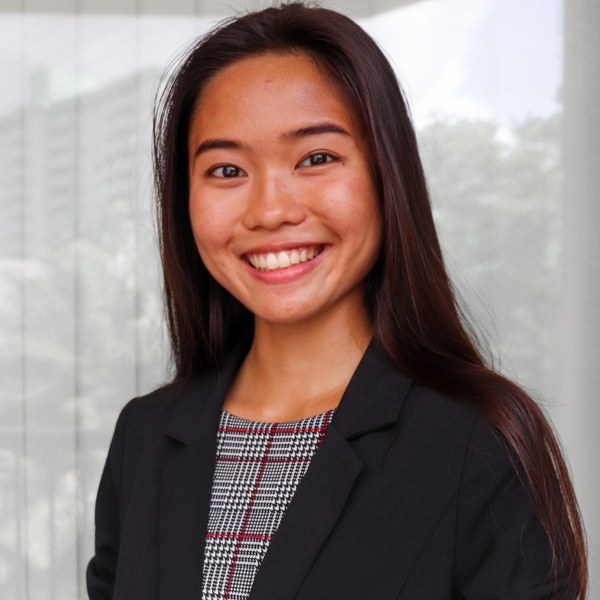
Kristiana (Kiki) Petrovic

Kristiana (Kiki) Petrovic

Finance & Economics
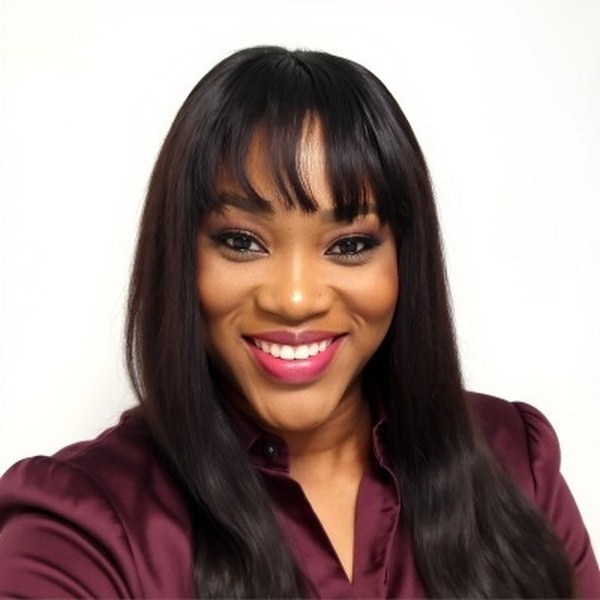
Lesley Ekisowe

Business Analytics / Strategy & Product Management

Liam Bas

Liam Bas

Neuroscience and Behavior

Marc Kawkabani

Marc Kawkabani

Strategy

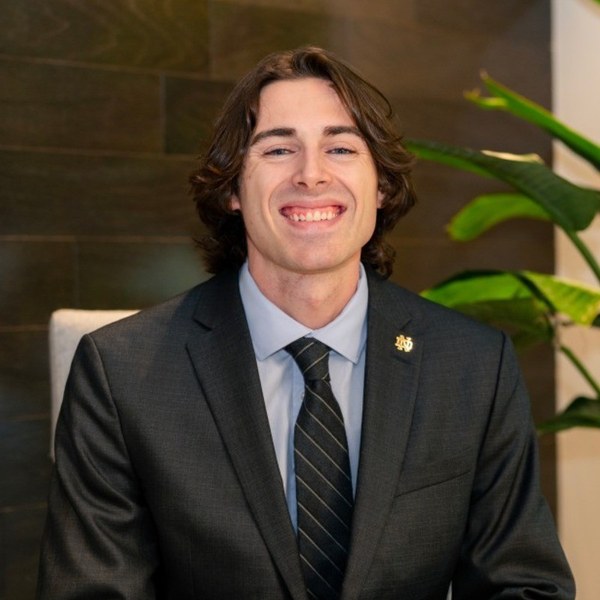
Maureen Tremblay

Maureen Tremblay

Computer Science

Ozi Akukwe

Ozi Akukwe

Mechanical Eng., Collaborative Innovation minor

Ryan Dolan

Ryan Dolan

Mechanical Eng. / Engineering Corporate Practice

Sarah Sargent

Sarah Sargent

Mechanical Engineering, Spanish

Shane McAnuff

Shane McAnuff

Mechanical Engineering

Shiyu (Katelyn) Dong

Shiyu (Katelyn) Dong

Finance

Thomas Maldonado

Thomas Maldonado

Economics, Foundations of Business minor

Thomas Parker

Thomas Parker

PLACEHOLDER: field of study to confirm

Ty Purrenhage

Ty Purrenhage

ACMS & Global Affairs

Tyler Budhu

Tyler Budhu

Finance & Computer Science
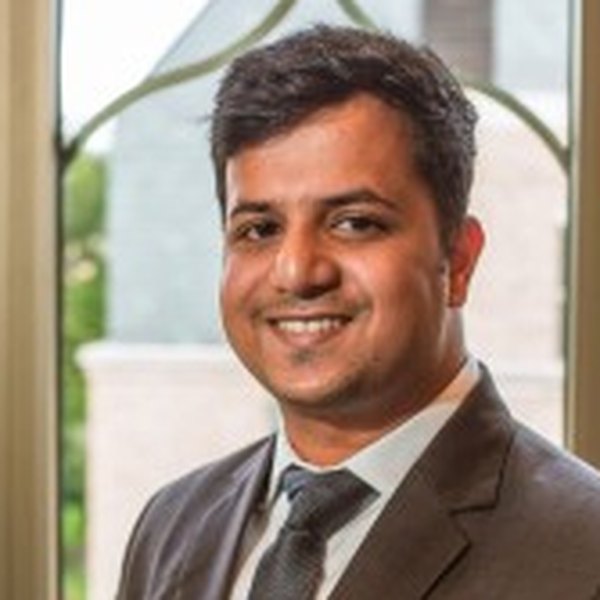
Yash Talathi

Yash Talathi

Business Analytics

Prior fellows

Alumni.

This section fills in as the first cohorts graduate, with current roles and an option for alumni willing to talk to prospective applicants.

PLACEHOLDER: pending first graduating cohort
Questions

What students ask.

Eligibility & applying

Do I need to be a CS or engineering major?

No, and the cohort is the proof. Summer 2026 had twenty-eight fellows across twenty-five fields of study and four Notre Dame colleges.

Alongside the engineers were majors in psychology, Spanish, theology, neuroscience, economics, accounting, global affairs, and real estate. Exactly one fellow was a computer science major.

What year do I need to be?

PLACEHOLDER: eligibility to confirm.

What does the application involve?

PLACEHOLDER: requirements to confirm once the fall form is built.

Can I talk to someone who has done it?

Current fellows hold office hours during the application window. PLACEHOLDER for a scheduling link.

Training & the work

What does the training actually cover?

The 2026 cohort ran about two weeks before projects began: development environment setup, problem solving and project management, a deep dive on generative AI, ETL and data pipeline concepts using AI-assisted coding on a real messy manufacturing dataset, data science and forecasting, then robotic process automation.

The last stretch covered how engagements actually run, working norms, issue tracking, meeting cadence, and how to present to an executive.

Format for the next cohort is still being set; length and whether any of it is remote are both to be confirmed.

Do we ever leave the classroom?

Yes. Training in 2026 included tours of partner manufacturing plants, including Vista Manufacturing and General Stamping & Metalworks. You walk the floor before being asked to build anything for it, which changes the questions you know to ask.

Is it paid?

Yes. PLACEHOLDER: compensation detail to confirm.

Remote or in person?

PLACEHOLDER: to confirm. Partner companies are concentrated in the South Bend–Elkhart region.

Applications open this fall.

Add your email and we will tell you the day the form goes live.

Notify me See the projects